







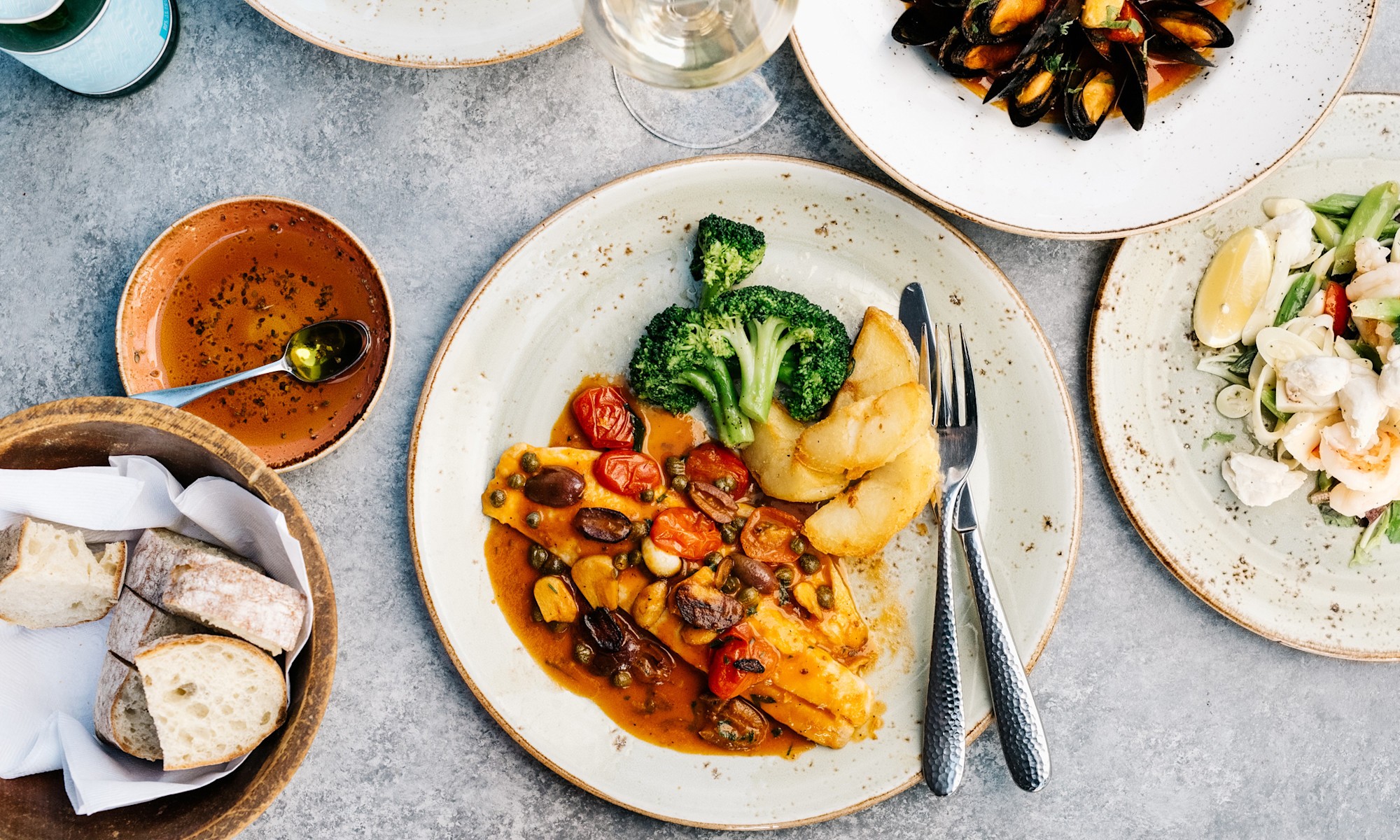
While much of nutritional science focuses on “superfoods”—the singular power of blueberries, salmon, or leafy greens—new research suggests that the real secret to long-term health lies not in specific ingredients, but in the breadth of your diet.
A recent study has revealed a powerful link between dietary diversity and breast cancer prevention. The findings suggest that women who consume a wide range of foods across different categories face significantly lower odds of developing the disease compared to those with repetitive eating habits.
The Study: Measuring the Power of Variety
To understand this connection, researchers conducted a comparative analysis between 600 women newly diagnosed with breast cancer and a control group of 600 women without the disease. The goal was to look beyond the mere quality or quantity of food and instead measure dietary diversity.
Using a Dietary Diversity Score (DDS), researchers evaluated how many different foods participants consumed across five major food groups. The study accounted for various confounding variables—such as age, menopause status, and education—to ensure the results specifically reflected the impact of dietary patterns.
Key Findings
The results demonstrated a “dose-dependent” relationship, meaning that as dietary variety increased, the risk of breast cancer steadily decreased:
- Highest Diversity: Women with the most varied diets saw up to a 59% reduction in breast cancer odds compared to those with the least variety.
- Moderate Diversity: Women with moderate dietary variety saw approximately a 42% reduction in risk.
This stepwise decline suggests that every new food group or variety added to the diet contributes incrementally to cancer prevention.
Why Variety Matters: Beyond Just Nutrients
This trend is likely driven by more than just the vitamins found in individual foods. A diverse diet supports a healthy gut microbiome, a complex ecosystem of bacteria that plays a critical role in immune function and systemic health. By rotating food sources, individuals provide a broader spectrum of fibers and phytonutrients that nourish different beneficial bacteria.
To achieve these protective benefits, variety should be sought across these five pillars:
- Fruits and Vegetables: Moving beyond staples to include berries, citrus, cruciferous vegetables (like broccoli), root vegetables, and various leafy greens.
- Proteins: Rotating between fish, poultry, legumes, eggs, and plant-based proteins.
- Grains: Mixing whole grains such as rice, oats, quinoa, farro, and whole wheat.
- Dairy or Alternatives: Incorporating yogurt, cheese, milk, or fortified plant-based options.
Practical Strategies for Dietary Diversification
Increasing variety does not require a complete lifestyle overhaul or expensive specialty shopping. Small, consistent changes can effectively shift dietary patterns:
- The “One New Item” Rule: Aim to add just one new produce item to your grocery cart each week, such as a different colored bell pepper or a new type of fruit.
- Protein Rotation: If chicken is a daily staple, swap it for tofu, fish, or eggs a few times a week.
- Grain Swaps: Replace your standard white rice with quinoa, barley, or farro to introduce different nutrient profiles.
- Seasonal Shopping: Buying what is currently in season naturally forces variety into the diet as the months change.
- Recipe Experimentation: Committing to just one new recipe per week can introduce unexpected ingredients and flavors into your routine.
Conclusion
The evidence suggests that dietary patterns are just as vital as specific nutrients in long-term disease prevention. By prioritizing a wide spectrum of foods, women can potentially lower their breast cancer risk while supporting overall longevity and brain health.


