





Bathrooms are essential, but they’re also prime breeding grounds for germs that can make you sick. From viruses to mold, the surfaces we touch daily can harbor infectious agents. Maintaining cleanliness isn’t just about hygiene; it’s about preventing illness. Experts emphasize that a single contaminated surface can quickly spread infection, making regular sanitation vital.
The Science of Bathroom Germs
Microbiologists confirm that bathrooms are hotbeds for pathogens like norovirus (“stomach bug”), influenza, and common cold viruses. The high-touch nature of these spaces, combined with moisture, creates ideal conditions for rapid transmission. Without consistent cleaning, these germs can bypass our immune defenses, leading to illness. Mold growth is also a concern, triggering allergic reactions and asthma symptoms in susceptible individuals.
Cleaning Schedules for Common Bathroom Items
The frequency of cleaning depends on household size and usage, but here’s a breakdown of recommended schedules:
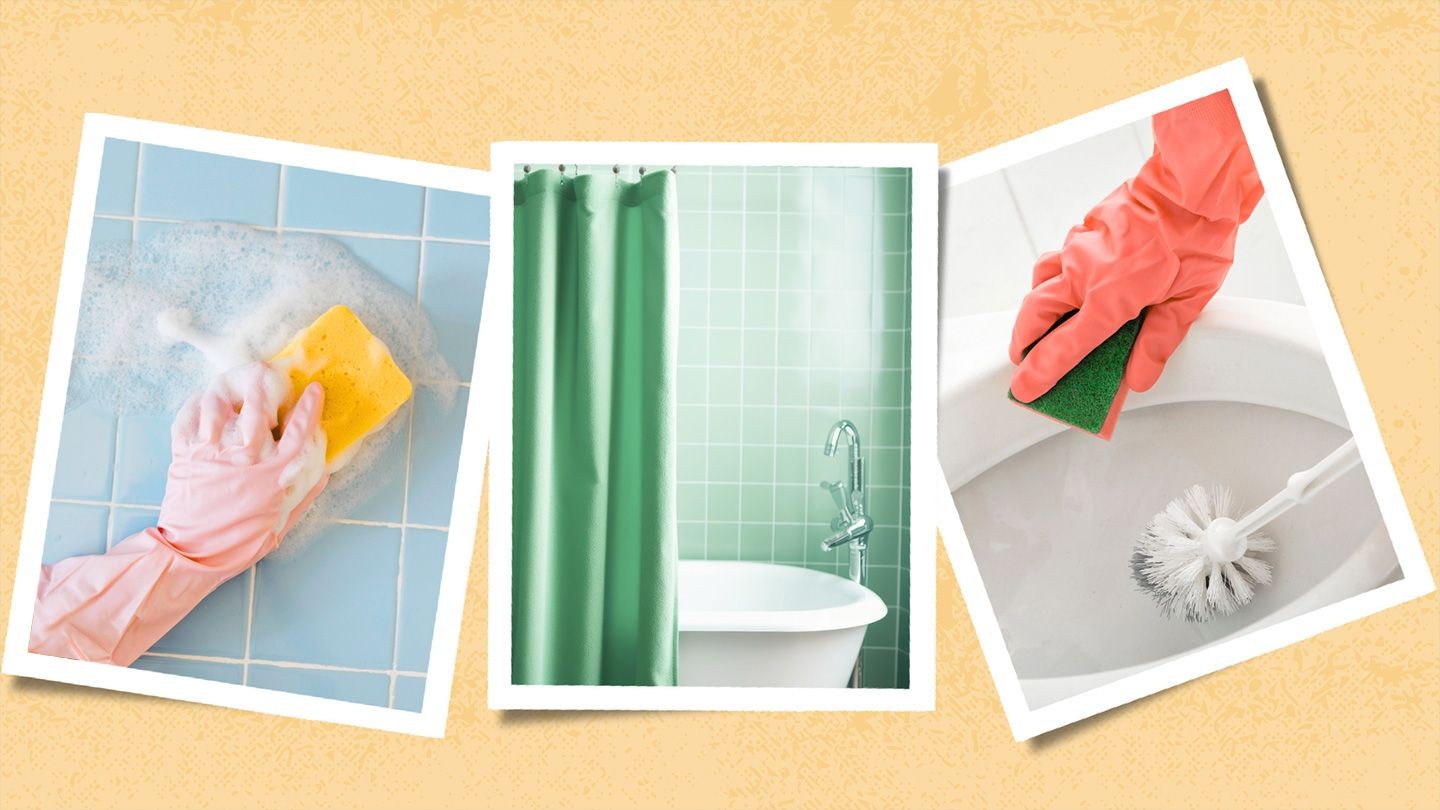
1. Shower Curtains & Liners: Replace every six months, or sooner if mold appears. Wipe down with disinfectant regularly, especially if water splashes onto you. Visible dirt or funky smells are signs you waited too long.
2. Bath Towels: Wash or swap out weekly. Ensure towels dry completely between uses to prevent bacterial growth. Use separate towels for different body areas to avoid cross-contamination, particularly for preventing UTIs and vaginal infections.
3. Toilets: Scrub regularly, as salmonella can survive up to 50 days on the rim. Disinfect daily or weekly based on usage. If someone is sick, increase cleaning frequency to prevent spread. Replace the brush when bristles wear or discolor.
4. Showers & Bathtubs: Weekly or biweekly cleaning is ideal, but adjust based on household size. Daily cleaning may be necessary for high-traffic bathrooms.
5. Sinks & Surfaces: Clean frequently when someone is sick. Otherwise, weekly scrubbing is a good safety measure.
6. Bath Mats & Rugs: Wash monthly (weekly is ideal). Replace when worn or falling apart. Disinfect shower mats alongside the bathtub to prevent athlete’s foot and fungal infections.
7. Doorknobs & Light Switches: Wipe down daily with disinfectant wipes, as these high-touch surfaces easily spread germs.
Why This Matters
Ignoring bathroom hygiene has real consequences. Infections spread quickly in these spaces, impacting health and well-being. The combination of moisture, frequent use, and often-overlooked surfaces makes the bathroom a unique risk area. Consistent cleaning isn’t just about cleanliness; it’s a proactive measure to protect yourself and others from preventable illnesses.
By following these guidelines, you can minimize the risk of infection and maintain a healthier home environment.


