







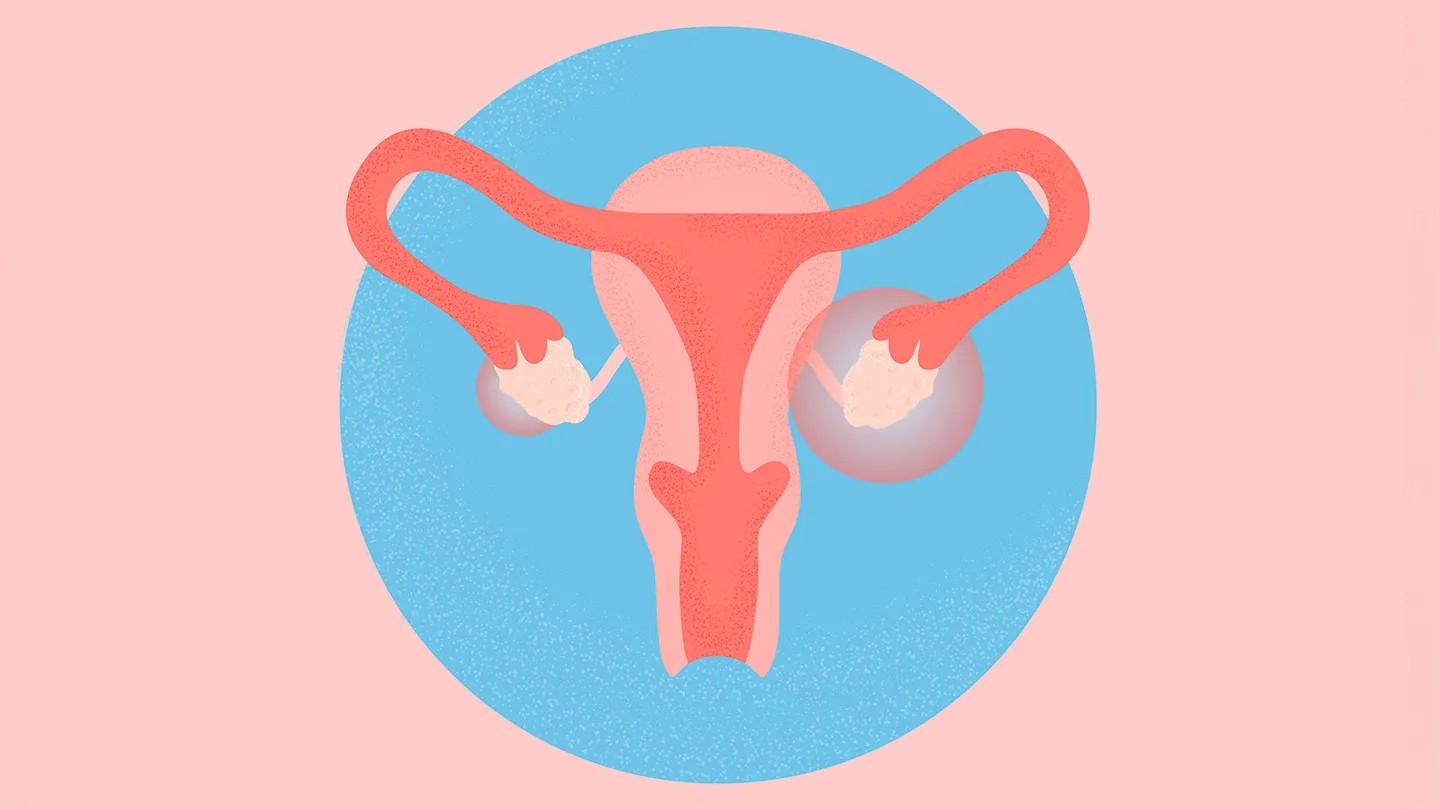
Editor’s note: In May 2026. The Endocrine Society moved the goalposts. What we used to call polycystic ovary syndrome — or PCOS for short — now has a new name: polyendocrine metabolic ovarian syndrome, or PMOS. It’s not just a rebranding exercise. It’s a recognition that this isn’t just an ovarian issue. It’s systemic. A metabolic disorder. The rest of this article reflects that shift.
Polyendocrine metabolic ovarian syndrome (PMOS). That’s the mouthful we’re stuck with now. It happens when your ovaries pump out too much androgen. Male hormones. This imbalance throws off the whole system. Irregular periods. Weight gain. Trouble getting pregnant. And then the bigger picture stuff kicks in — diabetes. Heart disease.
It’s a lifelong deal. There’s no magic cure. Yet.
But you can manage it. Relief is possible. You just have to look for it.
The symptoms show up
It hits women of reproductive age. Hard. The ovaries crank out elevated androgens. Testosterone mostly. Men have plenty of this. Women? Not usually. When they do, health goes sideways. Reproductive health first. Everything else follows.
Signs vary. People are messy. But these are the common threads:
- Weight gain, specifically around the middle
- Periods that don’t behave
- Infertility
- Acne that won’t quit
- Thinning hair on the head. Thick hair everywhere else. Especially the face. Chest. Lower abdomen. This is called hirsutism.
- Sleep issues. Snoring. Waking up. Daytime exhaustion.
- Skin changes. Skin tags. Darkening of the skin patches, known as acanthosis nigricans. A sign of insulin resistance.
- Oily skin
- Mental health hits. Anxiety. Depression.
For some, this starts at first period. For others? Later in life. The symptoms are vague enough that they get missed. A lot. Up to 70% of women with PMOS never get diagnosed.
Why do they miss it? Because the symptoms are… noisy. Unpredictable. Easy to brush off.
Why it happens
No one knows the exact root cause. Not yet. But several factors light up like fireworks when PMOS shows its face:
- Insulin resistance. Cells stop listening to insulin. Blood sugar spikes. The body panics, makes more insulin. Too much insulin tells your ovaries to make more androgen. It’s a vicious loop.
- Low-grade inflammation. Your body is always trying to heal itself. Sometimes it stays on overdrive. Chronic, low-level inflammation triggers androgen production.
- Genetics. Family history matters. If your mom had it, your odds go up.
- Obesity. The numbers are stark. Between 33% and 88% of women with PMOS are overweight. It’s linked to insulin resistance. A two-way street.
- Environment. You breathe in nitrogen dioxide. Polycyclic aromatic hydrocarbons. Cigarette smoke. Cooked meat. Burnt coal. These things drive inflammation. So do endocrine disruptors. Bisphenol A in housewares. Medical devices. Appliances.
- Lifestyle. Sit around too long. Eat high fat. Low fiber. High stress. The recipe for trouble.
You can’t change your genes. Or the air outside. But you can change the rest. Avoid the pollutants. Move your body. Ditch the fried stuff. Chips. Candy. Processed meat. Watch the gut health. Sugar drives insulin. Insulin drives androgens. Break the chain.
How doctors spot it
There’s no single “PMOS test.” Nope. Doctors use a checklist. You need at least two out of these three:
- Irregular periods. Missed months. Long cycles. Short ones. Heavy flow. Nothing normal about the schedule.
- High androgens. Male hormones run rampant. Blocks ovulation. Causes the acne. The hair growth.
- Polycystic ovaries. Seen on an ultrasound. Ovaries look big. Cysts sit on the edges. Follicles that never finished maturing.
To diagnose it, they have to rule everything else out. Blood work for hormones. Physical exams for hair growth and acne. Pelvic exams. Ultrasounds for the cysts and uterine lining. It’s detective work.
Managing the condition
No cure. But lots of tools. Treatment depends on you. Specifically: are you trying to have a baby?
If yes, the menu shrinks. If no, the options expand.
Meds for general management
- Combined birth control. Estrogen and progestin. Regulates the period. Primary treatment if pregnancy isn’t on the table. Lowers cancer risk in the lining of the uterus. Helps with acne. Hair.
- Diabetes meds. Metformin is the star here. Off-label use for PMOS. Helps insulin sensitivity. Weight loss. Ovulation.
- Anti-androgens. Blocks the male hormones. Less unwanted hair. More hair on the head. Clearer skin.
- Acne drugs. Retinoids. Antibiotics. The usual suspects.
If you’re trying to conceive? Skip the birth control. Tell your doctor. The path is different.
Fertility help
Not ovulating is hard. Stressful. Very common in PMOS. Medications can kickstart ovulation. Clomiphene. Letrozole. Metformin. Gonadotropins.
Lose weight if needed. Even a bit helps. If pills don’t work? IVF. Eggs come out. Fertilization happens in a lab. Then they go back in. High tech. High stakes.
Removing the hair
Hirsutism is stubborn. Shaving helps. Temporarily. Plucking. Waxing. For longer fixes, laser removal works. Permanent? Electrolysis. A needle destroys the follicle. It works. It hurts a little. But it lasts.
Supplements and integrative stuff
Researchers are testing waters. Results are limited. More studies needed. But here’s what might help:
Vitamin D. Might help insulin metabolism. Ovulation. It fights inflammation too.
Vitamin E. Blood sugar. Cholesterol. Maybe hormones. Evidence is thin.
Acupuncture. Helps with period irregularities. Ovulation symptoms.
Probiotics and Prebiotics. Gut health is everything. Good bacteria lower inflammation. Balance hormones.
Folic Acid. Lowers BMI. Weight loss matters.
Selenium. An antioxidant. Lowers cholesterol. Insulin. Doesn’t fix hormones directly, but helps the body.
Talk to a doctor first. Supplements can interfere with meds. Get your blood tested. See if you’re deficient. Don’t just guess.
Surgery. Rarely.
Ovarian drilling. It sounds invasive. It is. But it’s an option if drugs fail and you want pregnant. Surgeons make a small incision. Use tools to destroy some androgen-producing tissue. Follicles. It might trick the ovary into working better. Last resort usually.
Preventing the worst
You can’t prevent PMOS itself. Genetics and environment do their thing. But you can prevent complications. Manage it well. Take meds. Choose better lifestyles.
It stops from getting worse. That’s the goal.
Lose the weight. Keep the muscle.
Ten percent body weight loss. That’s the benchmark. Periods regulate. Fertility improves. Insulin levels drop. Talk to a dietitian. Add movement.
Eat differently
Food matters. A lot.
- Omega-3s. Fish. Supplements. Anti-inflammatory powerhouses.
- Anti-inflammatory foods. Berries. Broccoli. Spinach. Nuts. Seeds. Olive oil. Eat these.
- Low-glycemic foods. Steady blood sugar. Lean meat. Veggies. Tofu. Eggs. Yogurt.
- Ditch the processed junk. Chips. Cookies. Lunch meat. Simple carbs spike sugar. Sugar spikes insulin. Insulin spikes androgens. See the chain?
- Watch carbs. High-carb diets cause insulin jumps. Stick to complex carbs. Slow rise. Better control.
Balance. Whole foods. Nutrition. It lowers inflammation. Balances blood sugar. Keeps weight off.
Move your body
Exercise helps. Weight loss helps. Experts say 150–300 minutes moderate activity weekly. Or 75–150 vigorous. Walking. Gardening. Swimming. Running. Cycling fast. Jump rope.
Strength training twice a week. Build muscle. Prevents weight regain.
Fix sleep. Fix mind.
Sleep disorders run high in PMOS. Hormonal imbalance messes up rest. Poor sleep feeds depression. Anxiety. Fix the sleep. Treat the disorder.
Emotional health needs work too. Anxiety is common. Depression too. Disordered eating. Weight gain affects body image. Therapy helps. Cognitive behavioral therapy. Mindfulness. Counseling. Lower stress. Feel better.
Living with PMOS
It’s chronic. There. We said it. No cure. But manageable. Work with your team. Eat right. Lose weight if advised. Prevent the complications.
Some women find their cycles settle. Eventually. The condition shifts. But it’s still there. In the background. Waiting.


