


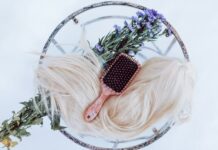





Human hair extensions are a popular choice for adding length, volume, or simply changing up a look. While they can seem daunting to maintain, the process is straightforward when you understand the key differences between washing extensions versus natural hair. Proper care extends the lifespan of your extensions, keeps them looking natural, and prevents damage to your scalp and hair.
Why Extension Care Matters
Unlike natural hair that receives nourishment from the scalp, extensions are no longer connected to a living follicle. This means they dry out faster and can’t self-repair. Neglecting proper washing techniques can lead to dryness, tangling, slippage of the attachments, and even scalp irritation. The investment in quality extensions, such as those from specialized brands, is only worthwhile if paired with diligent maintenance.
How Often to Wash Your Extensions
A general rule of thumb is to wash human hair extensions 1-3 times per week if they are fitted or sewn in. For clip-in extensions, washing them every 10-20 wears is typically sufficient. Frequency depends on factors such as:
- Scalp oiliness: Oily scalps require more frequent washing.
- Activity level: Exercise and sweating necessitate more washes.
- Product use: Heavy styling products like dry shampoo build up quickly.
Overwashing, however, can strip moisture, shortening the lifespan of your extensions. Balance is key.
Gentle Washing Techniques for Optimal Results
Human hair extensions require a gentler approach than natural hair. The following steps are crucial:
- Detangle: Before wetting, brush extensions gently, starting from the ends and working upward to avoid breakage.
- Gentle Cleansing: Use your fingertips to cleanse the scalp delicately. Avoid aggressive scrubbing, allowing suds to flow down the length.
- Keep Hair Down: Avoid flipping your head upside down, as this encourages tangling.
- Sulfate-Free Products: Harsh sulfates dry out extensions quickly. Opt for sulfate-free shampoos and conditioners.
- Conditioner Application: Apply conditioner only to mid-lengths and ends, avoiding the attachment points to prevent slippage.
- Thorough Rinsing: Ensure all product is removed to prevent build-up and irritation.
Common Mistakes to Avoid
Many people inadvertently damage their extensions by:
- Piling hair on top of the head while shampooing, leading to tangling.
- Scrubbing aggressively, which can damage the hair and bonds.
- Rushing rinsing, leaving residue that causes tangles and itchiness.
- Rough towel drying, creating frizz and matting.
- Leaving roots wet, compromising the attachment points.
- Overusing products near the attachment areas, causing slippage.
- Brushing too harshly while wet, increasing the risk of breakage.
Long-Term Benefits of Proper Care
Investing in quality human hair extensions offers versatility and a natural look. These extensions blend seamlessly, style easily, and last longer with proper care. The initial cost may be higher, but their reusability makes them more cost-effective over time.
The key to long-lasting extensions is consistency. A simple routine—regular washing, gentle handling, and avoiding harsh chemicals—ensures your extensions stay soft, shiny, and tangle-free.
If you experience scalp irritation, itchiness, or discomfort, consult a professional to address fitting or maintenance issues promptly. By prioritizing proper care, you can enjoy the benefits of human hair extensions without compromising the health of your hair or scalp.


