



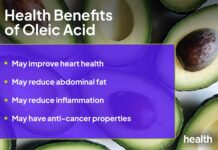




Oleic acid is a naturally occurring monounsaturated fatty acid found in everyday foods like olive oil, avocados, and nuts. Emerging research suggests this compound offers several health advantages, from reducing inflammation to potentially lowering cancer risk. Understanding these benefits – and how to integrate oleic acid safely into your diet – is becoming increasingly important as dietary science evolves.
Heart Health: Beyond Cholesterol Numbers
Oleic acid plays a role in heart health by influencing cholesterol levels. Replacing saturated fats (like butter) with oils rich in at least 70% oleic acid, such as olive oil, has been shown to reduce the risk of coronary heart disease (CHD). Consuming roughly 1.5 tablespoons of these oils daily may provide this benefit. This isn’t just about lowering LDL cholesterol; it’s about improving the overall lipid profile for cardiovascular wellness.
Reducing Abdominal Fat: A Modest Impact
Early studies indicate that diets high in oleic acid can contribute to modest reductions in abdominal fat, a critical factor in metabolic health. While not a magic bullet, incorporating oleic acid into a balanced diet can support fat loss alongside other lifestyle factors like exercise and portion control.
Inflammation Control: From Skin to Systemic Health
Oleic acid, an omega-9 fatty acid, has anti-inflammatory properties. It supports wound healing, skin regeneration, and may help manage conditions linked to chronic inflammation – including obesity, diabetes, and arthritis. Reducing systemic inflammation is a key trend in preventative health, and oleic acid is one tool in that fight.
Potential Anti-Cancer Effects: Early Promise
Research suggests that omega-9 fatty acids like oleic acid may inhibit cancer cell growth and induce apoptosis (programmed cell death). Some studies point towards a reduced risk of breast cancer, though more investigation is crucial. This field is still developing, but the initial findings warrant attention.
Dietary Sources: Where to Find Oleic Acid
The easiest way to increase oleic acid intake is through whole foods:
- Oils: Canola, olive, safflower, and sunflower oils.
- Fruits: Avocados and olives.
- Nuts & Seeds: Peanuts, almonds, sunflower seeds, and their butters.
These foods provide not only oleic acid but also other nutrients vital for overall health.
Dosage and Safety: Moderation is Key
There’s no official recommended daily allowance (RDA) for oleic acid, but most guidelines suggest that 20-35% of total calories should come from fat. Prioritize unsaturated fats like those found in oleic acid-rich oils over saturated fats. Be mindful of portion sizes: 1 tablespoon of olive oil contains over 100 calories.
Oleic acid is generally safe when consumed through whole foods, but excessive intake can contribute to weight gain.
Drug Interactions: A Caution for Diabetics
Oleic acid may enhance the effects of diabetes medications, potentially leading to hypoglycemia (low blood sugar). Consult a healthcare provider before increasing oleic acid intake if you take medications like glimepiride, glyburide, insulin, metformin, or pioglitazone. Combining oleic acid with blood sugar-lowering supplements (such as andrographis or fish oil) could also amplify this effect.
Side Effects: A Rare Concern
Consuming too much oleic acid is unlikely to cause serious side effects, but excessive calorie intake from fats can lead to weight gain.
Ultimately, oleic acid offers a range of potential health benefits when integrated into a balanced diet. However, as with any dietary change, moderation, awareness of drug interactions, and consultation with a healthcare professional are crucial for maximizing benefits and minimizing risks.


