







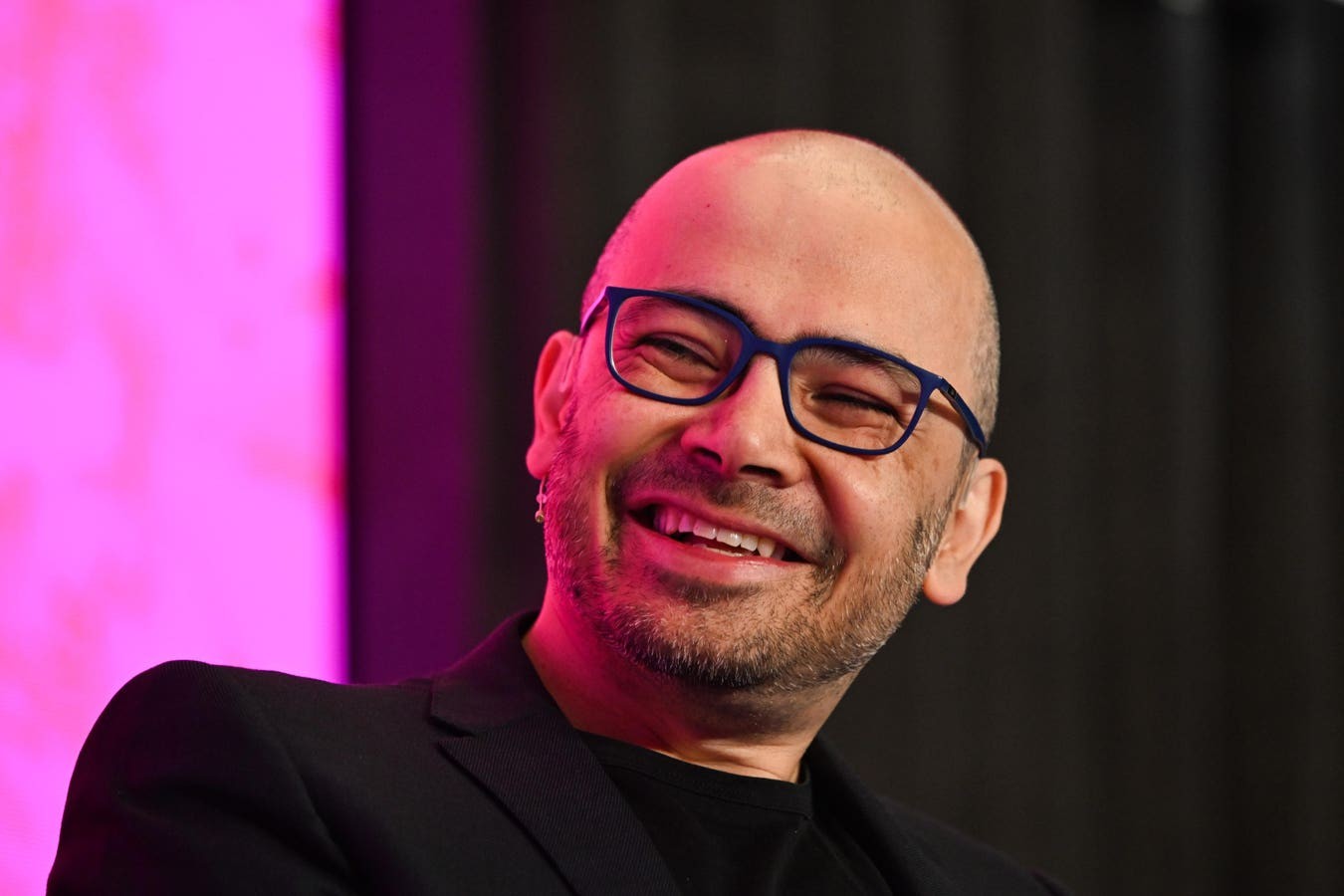
Isomorphic Labs, the Alphabet-backed biotech firm leveraging artificial intelligence to revolutionize pharmaceutical development, has secured $2.1 billion in new funding. Led by Thrive Capital, this round represents the second-largest fundraise in biotech history, trailing only Altos Labs. This massive injection of capital underscores a shifting tide in the industry: investors are no longer viewing AI in drug discovery as a theoretical possibility, but as a viable engine for solving some of medicine’s most persistent challenges.
From Nobel Prize Tech to Clinical Application
The company’s pedigree is steeped in scientific breakthrough. Founded in 2021 as an Alphabet venture, Isomorphic is best known for AlphaFold, the AI model that accurately predicts protein structures. This technology earned CEO Demis Hassabis the 2024 Nobel Prize in Chemistry.
However, predicting structure is only the first step. Isomorphic’s latest advancement, AlphaFold 3 (released in May 2024), expands this capability to include small molecules, peptides, and antibodies—the actual building blocks of drugs. Building on this foundation, the company has developed the Isomorphic Labs Drug Design Engine (IsoDDE).
According to Isomorphic President Max Jaderberg, IsoDDE is “like half a dozen AlphaFold breakthroughs.” Unlike specialized tools, IsoDDE is largely agnostic to disease areas. It can predict how well a therapy binds to its target and identify potential toxic side effects early in the process. This versatility allows the company to tackle a wide range of medical problems rather than being siloed into a single therapeutic niche.
A Strategic Shift: In-House Drug Development
While the technology is impressive, the critical question remains: What will Isomorphic actually build with it?
Historically, tech giants have preferred to license their AI tools to established pharmaceutical companies. Isomorphic is taking a different, riskier path. While it has signed partnerships with industry giants Novartis and Eli Lilly (potentially worth up to $3 billion combined), the company is also designing therapeutics in-house.
Jaderberg describes this as a move away from “fast-follower” programs toward “zero-to-one” problems —areas where current medical standards are inadequate or where no effective treatments exist. The internal pipeline is currently focused on three high-impact areas:
* Oncology
* Immunology
* Inflammation
“We are thinking about going after these big zero-to-one problems where maybe the rest of the world has struggled to produce good medicines for patients or we can change the standard of care,” says Jaderberg.
The Road to Clinical Trials
The timeline for delivering these AI-designed drugs to patients remains cautious. Isomorphic intends to take its lead candidates into clinical trials independently, though specific timelines have shifted. At the World Economic Forum in January, Hassabis projected the end of 2026 for initial clinical entry—a full year later than previously anticipated. This delay highlights the rigorous validation required before human testing, even with advanced AI assistance.
The company’s long-term business model is also flexible. Jaderberg notes that each drug candidate is treated as an “individual business.” Consequently, Isomorphic may choose to:
1. Sell assets to larger pharma companies.
2. License the technology.
3. Market the therapeutics itself, evolving into a traditional drug company.
Why This Matters for the Industry
Isomorphic’s $2.1 billion raise is a significant vote of confidence in the “AI for drug discovery” sector, which has matured rapidly since early pioneers like Recursion launched in 2013. The landscape is now crowded with competitors, including:
* Chai Discovery: Valued at $1.3 billion with a deal involving Lilly.
* Manifold Bio: Has raised $40 million and partnered with Roche.
Jaderberg emphasizes that the field has moved from hypothesis to proven utility. “It’s moved from a hypothesis to this is real and we know this works,” he states.
Conclusion
Isomorphic Labs stands at a pivotal juncture. With record-breaking funding and Nobel-winning technology, it has the resources to challenge traditional pharmaceutical R&D. However, the ultimate test is not in the code or the capital, but in the clinic. The industry is watching to see if AI can finally deliver on its promise: turning complex data into life-saving medicines that reach patients efficiently and effectively.


