







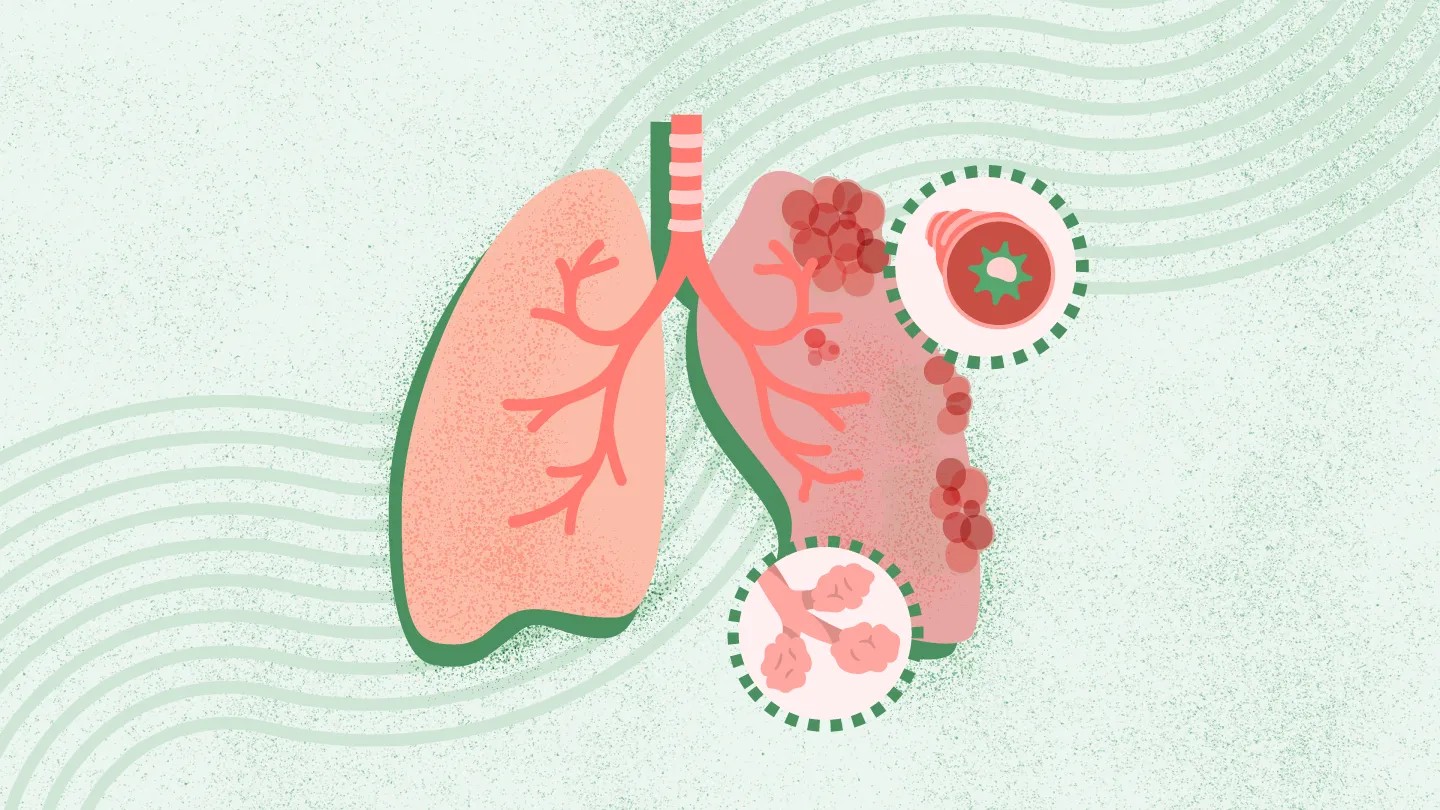
Chronic obstructive pulmonary disease (COPD) affects millions, making breathing difficult due to blocked airflow in the lungs. This condition isn’t just one disease, but a spectrum including emphysema and chronic bronchitis – often occurring together. Understanding COPD is critical, as it impacts quality of life and can lead to serious complications.
What Is COPD?
COPD develops when the lungs are chronically inflamed, limiting airflow. Emphysema damages air sacs, causing breathlessness, while chronic bronchitis inflames airways, leading to mucus buildup and coughing. The disease progresses slowly, with symptoms often dismissed as a “smoker’s cough” until they become severe. This delay in diagnosis can worsen outcomes, highlighting the need for early awareness.
Recognizing the Signs
Symptoms of COPD can be subtle at first, but they worsen over time. Common signs include:
- Persistent cough with mucus
- Chest tightness
- Wheezing
- Shortness of breath, especially with activity
- Fatigue
In advanced stages, COPD can cause weight loss, swollen ankles, blue skin discoloration (cyanosis), and mental confusion. Flare-ups, triggered by infections or pollutants, are periods where symptoms sharply worsen.
How Is COPD Diagnosed?
Doctors use several tests to confirm COPD:
- Spirometry: Measures lung airflow to identify obstruction. This is the primary diagnostic tool.
- Blood tests: Check for alpha-1 antitrypsin (A1AT) deficiency, a genetic cause of emphysema.
- Imaging scans (X-rays, CT scans): Reveal lung damage and structural abnormalities.
- Arterial blood gas test: Assesses oxygen and carbon dioxide levels in the blood.
Diagnosis also considers smoking history, exposure to irritants, and family history. Early detection is vital because treatment is most effective when started before significant lung damage occurs.
The Four Stages of COPD
COPD severity is classified into four stages:
- Mild: Minor airflow limitation with minimal symptoms.
- Moderate: Increased airflow obstruction, chronic cough, and sputum production.
- Severe: Significantly impaired lung function, leading to noticeable breathing difficulties and fatigue.
- Very Severe: Markedly reduced lung function, often accompanied by heart problems and respiratory failure.
Treatment adapts to the stage, but lifestyle changes (quitting smoking) are essential at every level.
What Causes COPD?
Smoking is the leading cause, accounting for 85-90% of cases. However, exposure to secondhand smoke, air pollution, dust, chemical fumes, and genetic factors (like A1AT deficiency) can also contribute. COPD typically develops in people aged 40 and older, but younger individuals can be affected. The disease doesn’t appear overnight; it’s a gradual process that unfolds over years of exposure to lung irritants.
Treatment Options
COPD management focuses on symptom relief, preventing flare-ups, and improving quality of life. Strategies include:
- Bronchodilators: Relax airways to ease breathing. Available as short-acting (for immediate relief) and long-acting (for sustained control) inhalers.
- Steroids: Reduce inflammation in airways, often used during flare-ups.
- Pulmonary rehabilitation: Exercise, counseling, and dietary changes to improve lung function and overall health.
- Vaccinations: Protect against influenza, pneumonia, and COVID-19, which can trigger COPD exacerbations.
Severe cases may require oxygen therapy or lung volume reduction surgery.
Prevention and Complications
The best way to prevent COPD is to avoid smoking. If you already smoke, quitting is the single most impactful step you can take. Reducing exposure to air pollution and workplace irritants also helps.
Left untreated, COPD can lead to heart disease, lung cancer, pulmonary hypertension, frequent infections, depression, and reduced lifespan.
The Bottom Line
COPD is a serious but manageable lung disease. Early diagnosis, lifestyle changes (especially quitting smoking), and consistent treatment can significantly improve quality of life. Ignoring symptoms or delaying intervention allows the disease to progress, making it harder to treat later on. Understanding COPD is the first step towards effective management.


