



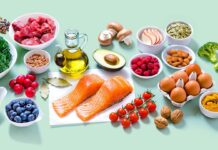



Aging isn’t a passive process; it’s driven by measurable biological changes. Recent research, building on landmark studies in biomedicine, has identified core “hallmarks of aging” that can be targeted to improve healthspan and longevity. This isn’t about immortality, but about maximizing the years lived in good health.
The Science of Slowing Down Time
For decades, scientists have sought to define the fundamental processes behind aging. These aren’t just cosmetic concerns; they directly influence disease risk, physical function, and cognitive decline. Understanding these biomarkers—measurable indicators of biological aging—allows for targeted interventions.
Here are 11 key areas, along with how to optimize them:
1. AMPK: The Metabolic Switch
AMPK (AMP-activated protein kinase) is a crucial enzyme that senses energy depletion. When activated, it shifts the body from fat storage to fat burning, and affects aging itself. To boost AMPK, reduce saturated fat intake (red meat, dairy) and increase fiber (legumes, whole grains). Natural compounds in barberries, black cumin, hibiscus tea, and vinegar can also help.
2. Autophagy: The Cellular Cleanup
Autophagy is the body’s internal waste removal system. Some foods (acrylamide in certain carbs) can suppress it, while others (spermidine in cereals, legumes, soy) enhance it. Coffee, rich in chlorogenic acids, also aids cellular cleanup.
3. Cellular Senescence: Fighting Inflammation
As cells age, they can become senescent, releasing inflammatory signals (SASP) that damage surrounding tissue. To prevent this, exercise regularly and consume vibrantly colored foods (berries) rich in antioxidants.
4. Nrf2: The Antioxidant Defense
Nrf2 is a master regulator of antioxidant defenses. Activate it by eating cruciferous vegetables, drinking green tea, and cooking with herbs (cinnamon, cloves, garlic, ginger). Avoid excessive salt, sugar, and saturated fats.
5. Epigenetics: Reversing the Clock
The epigenome regulates gene expression and deteriorates with age. However, epigenetic changes are reversible through diet and exercise.
6. AGEs: The Aging Toxins
Advanced Glycation End-products (AGEs) accumulate with poor diet and cooking methods. Reduce exposure by quitting smoking, cooking proteins with low heat (boiling, steaming), and choosing lower-glycemic foods.
7. IGF-1: Cancer and Aging
Insulin-like growth factor 1 (IGF-1) promotes cancer growth. Lowering IGF-1 activity may slow aging and potentially reduce cancer risk.
8. Inflammation: The Silent Killer
Chronic inflammation accelerates aging. Measure inflammatory markers (CRP, IL-6) and reduce them through dietary changes. Anti-inflammatory strategies are directly linked to extended healthspan.
9. mTOR: The Aging Pacemaker
The mTOR pathway drives aging. Inhibiting it (through dietary restriction of certain amino acids or drugs like rapamycin) can disrupt degenerative processes.
10. Oxidant Defense: A Two-Pronged Approach
Reduce pro-oxidant foods (cholesterol, salt, saturated fat, sugar) and increase plant intake to boost both Nrf2 activation and natural antioxidant defenses.
11. Sirtuins & Telomeres: The Long-Term Game
Sirtuins and telomeres are complex areas. Sirtuins depend on NAD+ levels, which can be upregulated by AMPK activation. Telomere elongation is possible but controversial; focus on preventing telomere shortening through lifestyle choices.
The Path Forward
Slowing aging is not about magical solutions but about optimizing fundamental biological processes. Start with one or two biomarkers, make consistent dietary and lifestyle changes, and track your progress. Science offers tools to extend healthspan, but the most effective approach is long-term commitment to evidence-based strategies.


