


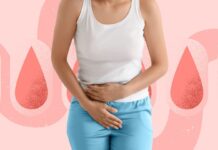



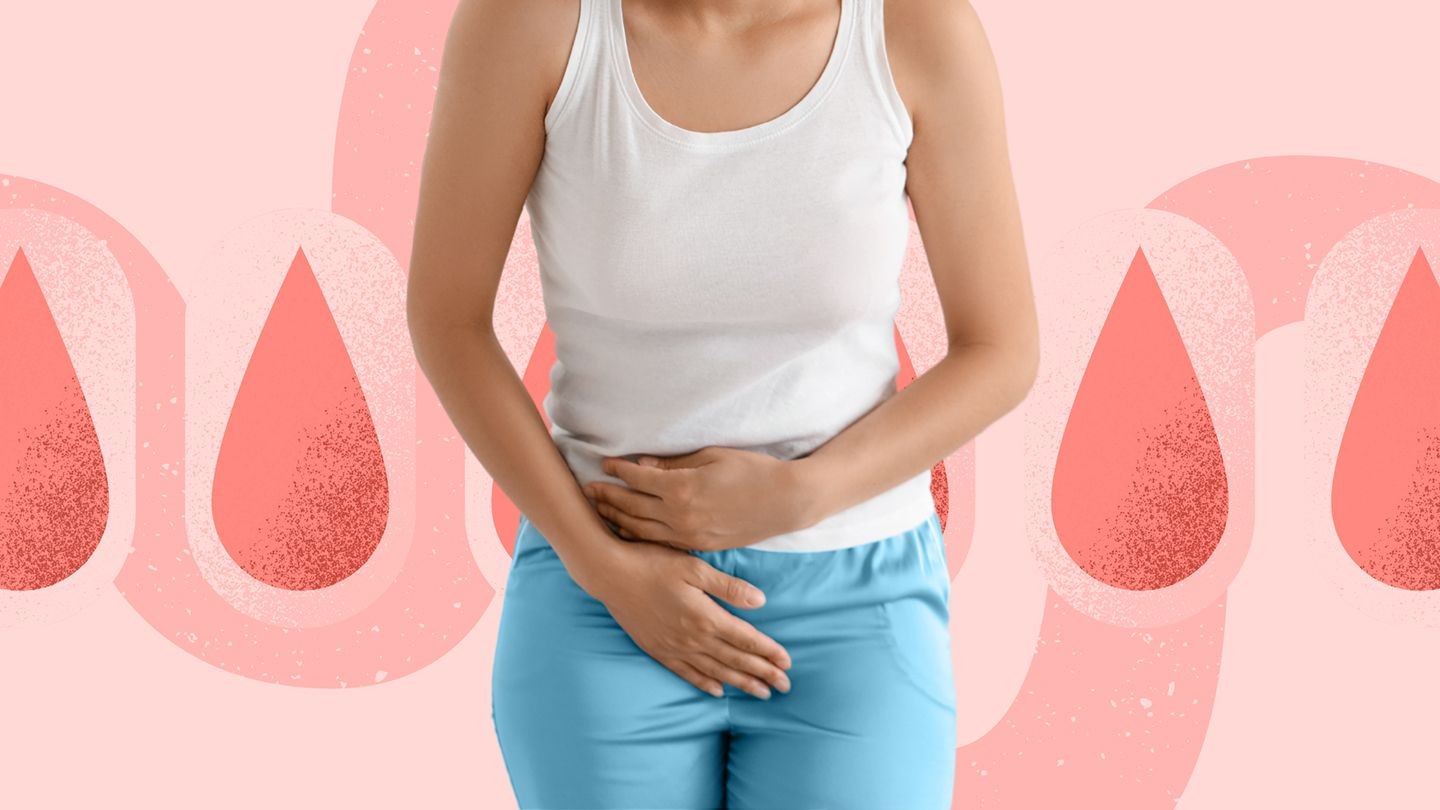
Diarrhea during menstruation is a surprisingly common issue for many women, often linked to the same biological processes that cause period cramps. While uncomfortable, it’s usually manageable with simple adjustments to medication and lifestyle. Understanding why this happens is the first step towards relief.
The Role of Prostaglandins
The primary culprit behind both menstrual cramps and diarrhea is a group of chemicals called prostaglandins. These are released during menstruation, causing the uterus to contract – and, crucially, also stimulating contractions in the intestines. This can lead to increased bowel movements and, in some cases, diarrhea, particularly during the first few days of your period.
Hormonal fluctuations also play a role. Changes in progesterone levels can either cause constipation or diarrhea, depending on the individual. Furthermore, some women experience gastrointestinal symptoms like bloating and nausea in the week leading up to their period as part of premenstrual syndrome (PMS).
Managing Diarrhea During Your Cycle
If you consistently experience diarrhea with your period, proactive steps can help:
- Antidiarrheals: Over-the-counter medications like loperamide (Imodium) or bismuth subsalicylate (Pepto-Bismol) can slow down bowel movements. Consider taking them before symptoms start if your cycle is predictable. However, consult a doctor before using these, as they may worsen certain conditions or mask underlying infections.
- Dietary Adjustments: Increase fiber intake through fruits, vegetables, whole grains, and legumes to solidify stool. Limit caffeine and processed foods, which can exacerbate PMS symptoms and worsen diarrhea.
- Hydration: Diarrhea leads to fluid loss, so drink plenty of water.
Preventing Symptoms: A Holistic Approach
Beyond immediate relief, several strategies can reduce the likelihood of period-related diarrhea:
- NSAIDs: Nonsteroidal anti-inflammatory drugs (NSAIDs) like ibuprofen or naproxen can inhibit prostaglandin release, reducing both cramps and diarrhea.
- Hormonal Birth Control: Birth control pills can suppress ovulation, lowering prostaglandin levels and potentially minimizing symptoms.
- Exercise: Regular moderate physical activity improves blood flow and can alleviate cramps. Research suggests that weight training, aerobics, and yoga all have benefits for PMS symptoms, including gastrointestinal distress.
When to See a Doctor
While period-related diarrhea is usually harmless, certain symptoms warrant medical attention:
- Severe Pain: Intense abdominal pain could indicate a more serious condition.
- Bloody Stool: This may signal endometriosis or another underlying gastrointestinal issue.
Endometriosis, a chronic condition affecting the reproductive system, can occasionally impact bowel function. If you suspect something more serious, consult your doctor immediately.
In conclusion, diarrhea during menstruation is often a natural response to hormonal changes and prostaglandin release. By combining proactive medication, dietary adjustments, and lifestyle modifications, most women can effectively manage this discomfort. However, it’s crucial to differentiate between typical PMS symptoms and signs of a more serious underlying condition, and consult a healthcare professional if needed.


