







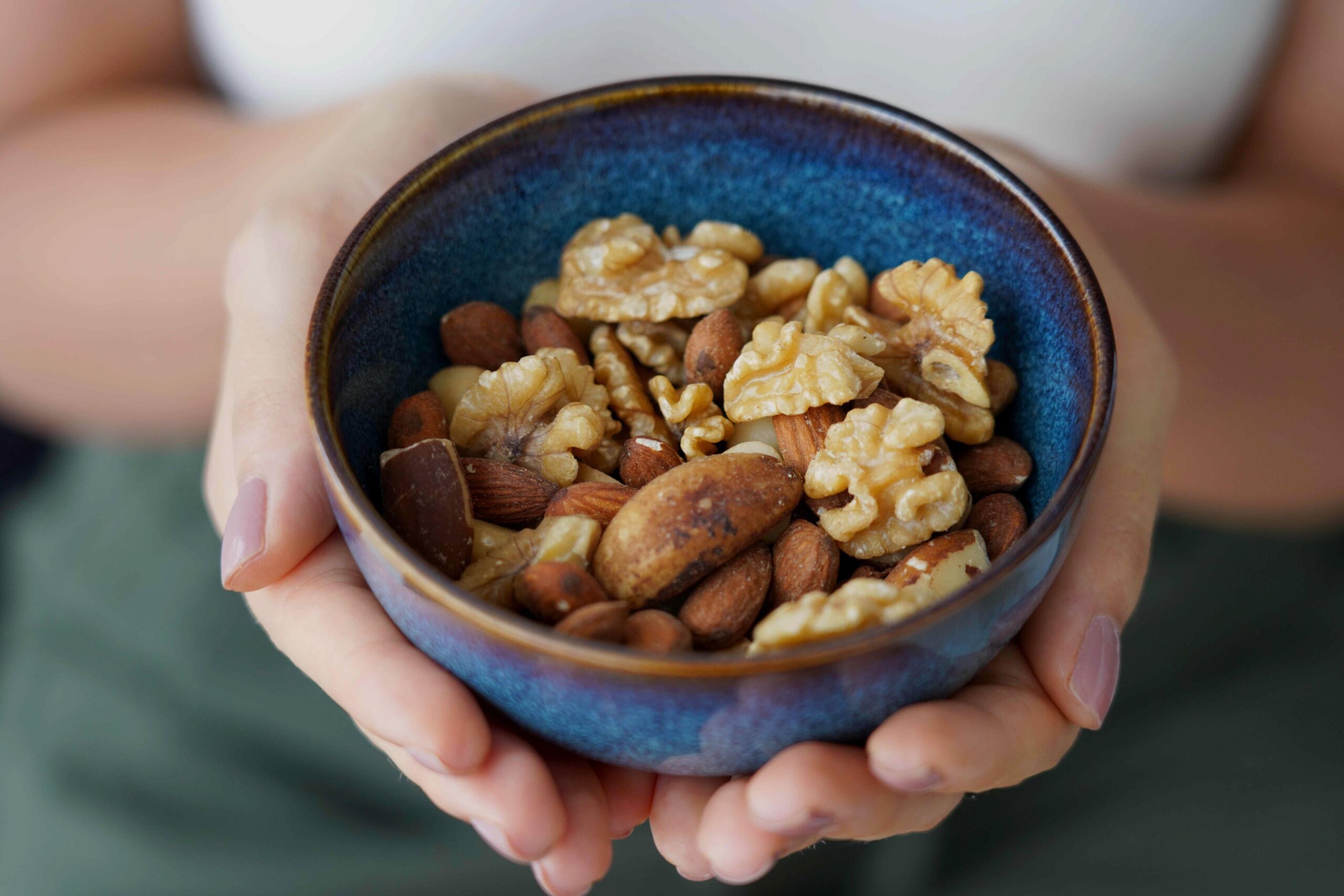
Consuming nuts regularly can be a simple yet effective dietary change for individuals looking to manage their blood pressure. Nuts are packed with essential nutrients, including protein, fiber, healthy fats, vitamins, and minerals, all of which contribute to cardiovascular health. Here’s a breakdown of four nuts that show promise in supporting healthier blood pressure levels.
Almonds: A Fiber and Magnesium Boost
Almonds are a readily available and versatile nut that provides a solid dose of fiber and plant-based protein—nutrients linked to lower hypertension risk.
Key Nutrients:
– Magnesium: An ounce of almonds delivers 18-25% of your daily magnesium needs. Studies suggest that higher magnesium intake correlates with reduced hypertension risk.
– Vitamin E: Almonds contain roughly 50% of the recommended daily intake of Vitamin E, an antioxidant that may help protect against cell damage related to heart disease.
Research Notes: While consistent evidence is growing, current studies indicate that almond consumption tends to lower diastolic (bottom number) blood pressure more effectively than systolic (top number).
Walnuts: Omega-3s for Heart Health
Walnuts stand out for their high content of polyunsaturated fats, including omega-3 and omega-6 fatty acids. These fats offer multiple benefits for heart health.
Benefits of Healthy Fats:
– Omega-3s: Lower triglyceride levels and reduce the risk of irregular heartbeat.
– Omega-6s: Help regulate blood sugar, contributing to overall cardiovascular stability.
Study Findings: Research on walnuts and blood pressure is varied. Some studies link walnut consumption to improved systolic blood pressure and better blood pressure control, while others report no significant effect.
Pistachios: Antioxidant Power and Potassium Richness
Pistachios pack a nutritional punch in a small package. They provide protein, fiber, healthy fats, and a unique blend of antioxidants and potassium.
Key Compounds:
– Antioxidants: Pistachios contain beta carotene, lutein, zeaxanthin, and vitamin C, reducing oxidative stress and potentially regulating blood pressure.
– Potassium: An ounce of pistachios delivers 8-11% of the daily potassium requirement, helping relax blood vessels and reduce sodium retention.
Research Caveats: Some studies suggest that replacing other foods with pistachios can lower systolic blood pressure, but results remain inconsistent, calling for further investigation.
Brazil Nuts: Selenium’s Anti-Inflammatory Potential
Brazil nuts are a powerful source of selenium, a trace mineral that may play a role in heart health.
Selenium Benefits:
– Inflammation Reduction: Selenium has anti-inflammatory properties that could support cardiovascular function.
– Dosage Caution: Limit intake to no more than 400 micrograms of selenium daily, as excessive consumption can be harmful. Just one nut contains 68-91 micrograms.
Recent Findings: A 2024 study suggests an association between higher selenium consumption and lower hypertension risk, though more research is needed to confirm this link.
Integrating Nuts Into Your Diet
Nuts are an easy and healthy addition to your daily routine. Whether you snack on them directly or incorporate them into meals, they can contribute to better blood pressure and overall heart health.
Practical Tips: Add almonds to your breakfast cereal, snack on walnuts during the afternoon, sprinkle pistachios on your salad, or enjoy Brazil nuts in moderation as a powerful selenium source.
Conclusion: While nuts alone won’t cure high blood pressure, they offer a valuable dietary tool for supporting cardiovascular health. Incorporating these four varieties into a balanced diet may contribute to healthier blood pressure levels and a stronger heart.


