






N-Acetylcysteine (NAC) is a compound gaining attention for its potential health effects, ranging from treating severe acetaminophen overdoses to supporting liver and lung health. While the U.S. Food and Drug Administration (FDA) approves NAC as a prescription drug for specific medical emergencies, its use as a dietary supplement is under review. This article breaks down the current scientific understanding of NAC, its potential benefits, risks, and how to approach supplementation safely.
What is NAC?
NAC is a synthesized version of the amino acid L-cysteine, not naturally found in foods, though cysteine itself is present in protein-rich diets. It’s been used medically since the 1960s, primarily to thin mucus in the airways, but recent interest focuses on its antioxidant properties and wider health applications.
Proven Medical Uses
The most established use of NAC is as an antidote to acetaminophen (Tylenol) overdoses. In severe cases, acetaminophen can cause rapid liver failure, but NAC effectively replenishes glutathione—a critical antioxidant—and prevents this damage. When administered within eight hours of an overdose, NAC is nearly 100% effective.
Potential Health Benefits Under Investigation
Beyond emergency treatment, research suggests NAC may offer benefits in several areas:
Liver Health
NAC may aid conditions like nonalcoholic fatty liver disease (MASLD), now affecting over 40% of American adults. By boosting glutathione, it can reduce oxidative stress, a key factor in liver damage.
Lung Health
As a mucolytic agent, NAC breaks down and thins mucus, making it easier to clear from the lungs. Studies suggest it can improve symptoms in chronic obstructive pulmonary disease (COPD) and other respiratory conditions.
Mental Health
Some studies show NAC might influence brain chemistry, potentially easing symptoms of conditions like obsessive-compulsive disorder (OCD), substance use disorders, and mood disorders. However, evidence is still moderate, and larger trials are needed.
Male Fertility
NAC may improve sperm quality in infertile men. Research has shown improvements in sperm concentration, volume, and motility with NAC supplementation.
Sports Performance
Athletes sometimes use NAC to reduce oxidative stress during strenuous exercise, potentially aiding recovery. Studies show mixed results, but some suggest improved endurance and antioxidant capacity.
Risks and Side Effects
NAC is generally safe, but interactions with certain medications exist. It may affect nitroglycerin, antidepressants, and other drugs. Common side effects are mild—stomach upset, diarrhea, nausea—but those with pre-existing conditions should consult a healthcare professional before using it.
Quality and Dosage
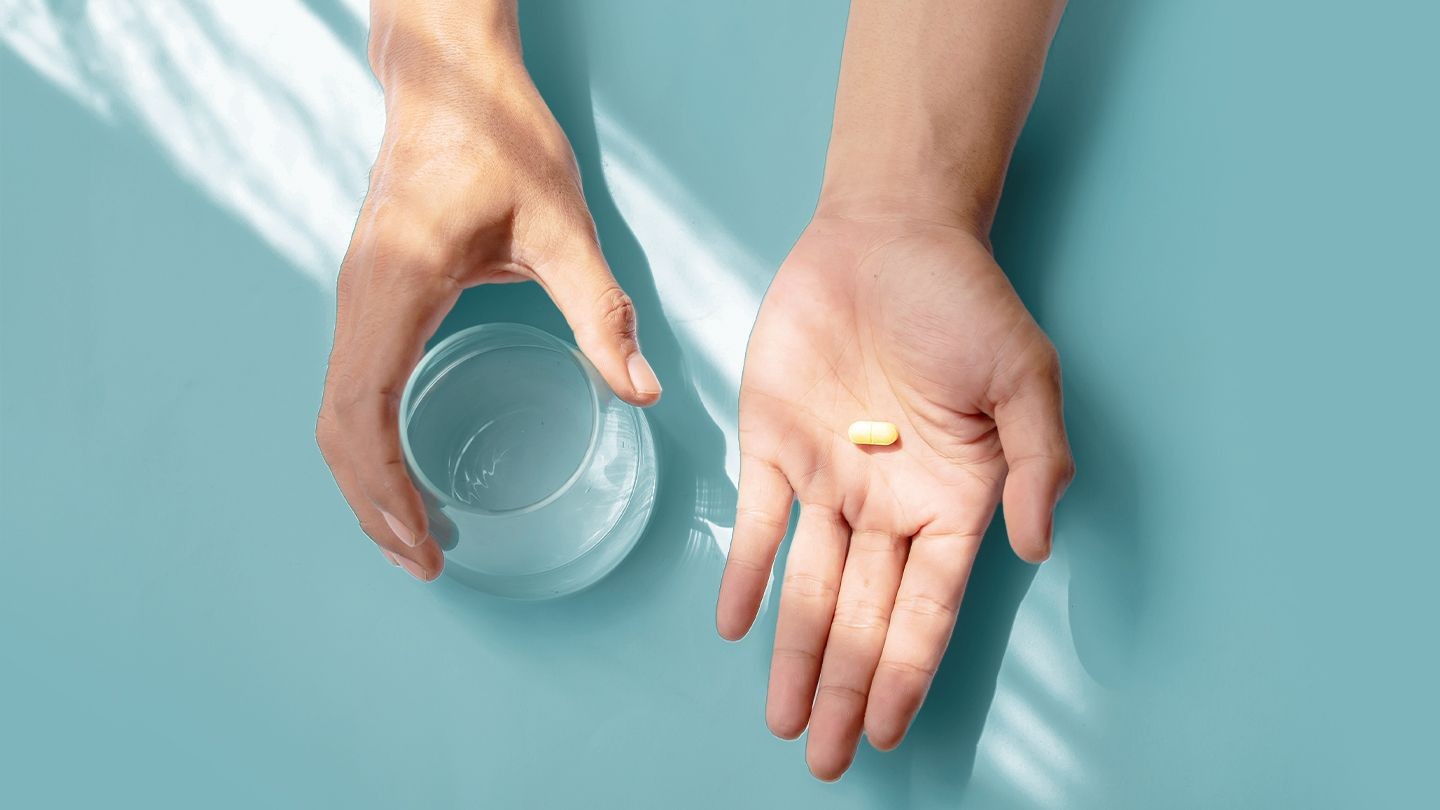
If considering NAC, choose supplements with third-party testing (USP, NSF, ConsumerLab.com) to ensure purity and accuracy. Dosages vary, but studies have used 600–3,000 mg daily. Always follow medical advice for appropriate dosage.
The Bottom Line
N-acetylcysteine holds promise as both a life-saving medication and a potential health supplement. While more research is needed, current evidence supports its use in specific medical situations and suggests potential benefits for liver, lung, and mental health. As with any supplement, consult your doctor before using NAC, especially if you have existing health issues or are taking other medications.


