







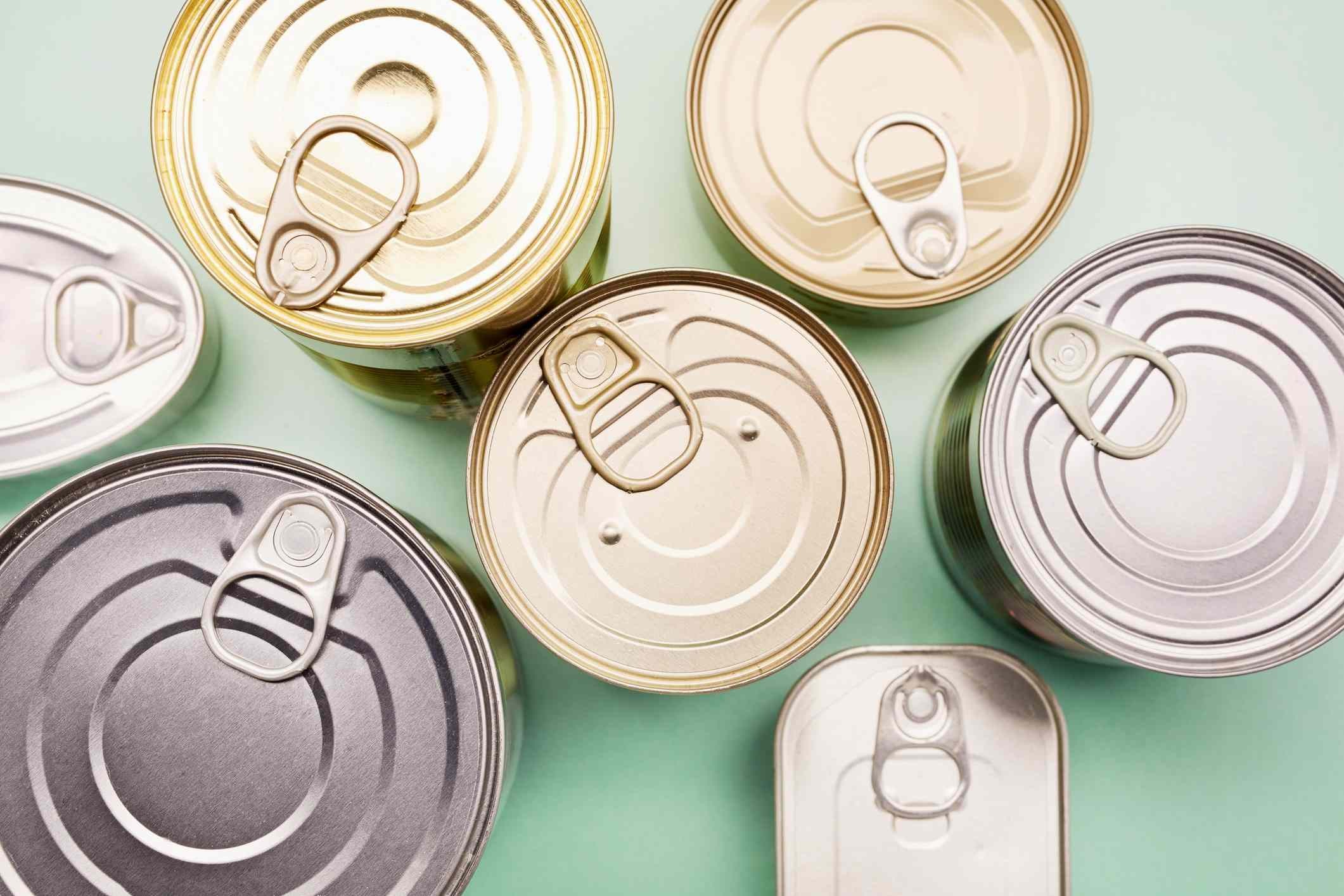
Canned foods offer a convenient, affordable, and surprisingly nutritious way to supplement your diet. While fresh produce is ideal, well-chosen canned options can deliver essential nutrients year-round—and often at a lower cost. Here’s a breakdown of six canned foods that should be on your list, along with what makes them good for you and how to choose the best ones.
Why Canned Foods Matter
Modern food systems often prioritize convenience over nutrition. Canned goods offer a middle ground: they retain much of the nutritional value of fresh foods while boasting a long shelf life and lower price point. However, not all canned foods are created equal. Sodium content, added sugars, and packaging materials (like BPA) can diminish health benefits. Knowing what to look for is key.
1. Canned Beans: A Plant-Based Powerhouse
Beans, whether black, kidney, pinto, or chickpeas, are packed with plant-based protein, fiber, iron, magnesium, and folate. They support digestion, stable blood sugar, and can even help with weight management. Though canning can slightly reduce some nutrients, it also lowers phytates—compounds that hinder mineral absorption.
Pro Tip: Drain and rinse canned beans to reduce sodium by 30-40%. Opt for low-sodium or no-salt-added varieties whenever possible.
2. Canned Lentils: Protein and Fiber on Demand
Lentils are another excellent source of protein and fiber, low in fat, and rich in iron, zinc, and folate. Half a cup provides roughly 8 grams of protein and 7 grams of fiber. Fiber slows digestion, aiding blood sugar control, and also binds to cholesterol.
Consider This: Plant proteins aren’t as efficiently used by the body as animal proteins. Pair lentils with whole grains or meat for a complete amino acid profile.
3. Canned Sardines: The Omega-3 Superfood
Sardines are small but mighty. A single can (92 grams) delivers 23 grams of protein, plus high doses of selenium, calcium, vitamin D, and iron. Most importantly, they’re rich in omega-3 fatty acids—essential for brain health, heart function, and immunity.
Smart Choice: Choose sardines packed in water to minimize calories. Other canned fish like salmon, tuna, mackerel, and trout offer similar benefits.
4. Canned Pumpkin: A Vitamin A Boost
Canned pumpkin is low in calories and high in fiber, iron, magnesium, potassium, and vitamins A and E. It provides over 200% of your daily vitamin A needs, supporting eye, skin, heart health, and immunity.
Worth Noting: Pumpkin has a high glycemic index, meaning it can raise blood sugar quickly. Pair it with protein-rich foods to mitigate this effect.
5. Canned Pineapple: Vitamin C Convenience
Pineapple provides 19% of the daily value for vitamin C, crucial for immune function, iron absorption, and wound healing. However, canned pineapple is often packed in syrup with added sugars.
Read Labels Carefully: Choose varieties labeled “100% juice” or “in natural juice” to avoid unnecessary sugar intake.
6. Canned Artichoke Hearts: The Gut-Friendly Option
Artichoke hearts, often difficult to find fresh, are available year-round in cans. They’re high in fiber, vitamin A, potassium, magnesium, and folate. They also contain polyphenols (anti-inflammatory compounds) and inulin (a prebiotic that supports gut health).
Gut Health Tip: Inulin feeds beneficial gut bacteria, improving nutrient absorption and strengthening the gut barrier.
Shopping Smart: Maximizing Health Benefits
To get the most out of canned foods, keep these points in mind:
- Low Sodium: Always check nutrition labels and opt for low-sodium or no-salt-added options.
- BPA-Free: Choose cans labeled “BPA-free” to avoid potential exposure to this chemical.
- No Added Sugar: Avoid syrups and added sugars by selecting fruits packed in 100% juice or water.
- Minimal Ingredients: Look for canned foods with short, recognizable ingredient lists.
- Inspect Cans: Never buy damaged, dented, or bulging cans, as they may contain toxins.
In conclusion, canned foods can be a valuable part of a healthy diet. By making informed choices—focusing on low sodium, minimal additives, and BPA-free packaging—you can enjoy the convenience of canned goods without sacrificing nutritional value.


