














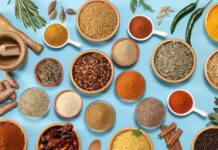






Хронічне запалення – тихий двигун багатьох сучасних захворювань, від хвороб серця та діабету до артриту та навіть деяких видів раку. Ваші природні захисні сили організму можна зміцнити простими змінами у харчуванні, і певні спеції – потужні союзники у цій боротьбі. Мова не про заміну медичної допомоги, а про профілактичне здоров’я через їжу.
Чому Спеції Важливі
Спеції – це не лише підсилювачі смаку; вони багаті на біологічно активні сполуки, які безпосередньо впливають на запалення на клітинному рівні. Багато хто містить антиоксиданти, що нейтралізують вільні радикали – нестабільні молекули, що викликають запальні реакції. З’єднання в цих спеціях також можуть впливати на ключові запальні шляхи, знижуючи вироблення білків, що ушкоджують.
Топ-10 Протизапальних Спецій
Ось огляд 10 спецій, ефективність яких у зниженні запалення доведена дослідженнями:
- Куркума: Зірка протизапального світу, куркума містить куркумін – з’єднання, яке, як показали дослідження, знижує рівень С-реактивного білка (СРБ), ключового маркера запалення. Поєднуйте з чорним перцем для максимального засвоєння. Використовуйте у каррі, супах або навіть золотому молоці.
- Імбір: Використовується століттями для заспокоєння травлення, імбир завдяки шогаолам та імбиролам блокує запальні шляхи та зменшує біль. Він ефективний проти хворобливості м’язів, скутості суглобів та дискомфорту у кишечнику. Натирайте свіжий імбир у смажені страви або заварюйте його в чай.
- Кориця: Крім чудового смаку, кориця містить циннамальдегід, антиоксидант, що захищає клітини від пошкоджень. Вона також може допомогти стабілізувати рівень цукру в крові, опосередковано знижуючи запалення. Посипайте вівсянку або додайте в каву.
- Часнок: Сірковмісні сполуки часнику ефективні не тільки проти вампірів – вони борються із запаленням та підтримують імунітет. Дослідження показують, що можуть навіть уповільнити поширення вірусів. * Роздавіть або подрібніть часник і дайте йому наполягати перед приготуванням, щоб максимізувати його користь.
- Кайєнський перець: Вогненна гострота кайенського перцю обумовлена капсаїцином, який зменшує запалення як внутрішньо, так і зовнішньо. Додайте помірно в супи, чилі або смажені овочі.
- Чорний перець: Піперін у чорному перці не тільки знижує запалення, але й покращує засвоєння поживних речовин з інших продуктів. Він також може покращити рівень холестерину. Використовуйте щедро у повсякденному приготуванні.
- Гвоздика: Гвоздика багата евгенолом, антиоксидантом з протизапальними, антибактеріальними і навіть потенційними протираковими властивостями. Додайте мелену гвоздику у випічку або чай.
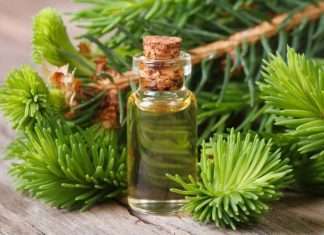
- Розмарин: Розмаринова кислота в розмарині захищає від запалення та окислювального стресу, з потенційною користю для здоров’я мозку та серця. Добре поєднується зі смаженим м’ясом, картоплею та овочами.
- Шафран: З’єднання кроцин та сафранал у шафрані знижують запалення і навіть можуть покращити настрій, впливаючи на хімію мозку. Використовуйте помірно в рисових стравах або теплому молоці.
- Кардамон: Ароматний кардамон містить сполуки, які, як показали дослідження, знижують запальні маркери, покращують рівень холестерину та підтримують контроль над рівнем цукру в крові. Використовуйте в індійських каррі, вівсянці або випічці.
Як Включити Спеції у Свій Раціон Щодня
Ключ до отримання цих переваг – сталість. Ось прості способи включити ці спеції до свого раціону:
- Работно приправляйте: Додайте спеції в супи, тушковані страви, чилі, яйця, тофу-скрембл і смажені овочі.
- Спецієві суміші: Створюйте власні суміші для маринадів, заправок чи приправ.
- Ранковий заряд: Посипайте вівсянку, йогурт або додайте в смузі.
- Добавки (з обережністю): Хоча добавки є, підхід, заснований на продуктах харчування, ідеальний. Проконсультуйтеся з лікарем перед початком будь-якого нового режиму добавок.
Запалення – не доля. Додаючи ці спеції у свої страви, ви можете взяти під контроль своє здоров’я, один ароматний шматочок за раз. Дієта, багата на ці сполуки, – це проактивний крок до довгострокового благополуччя.