

















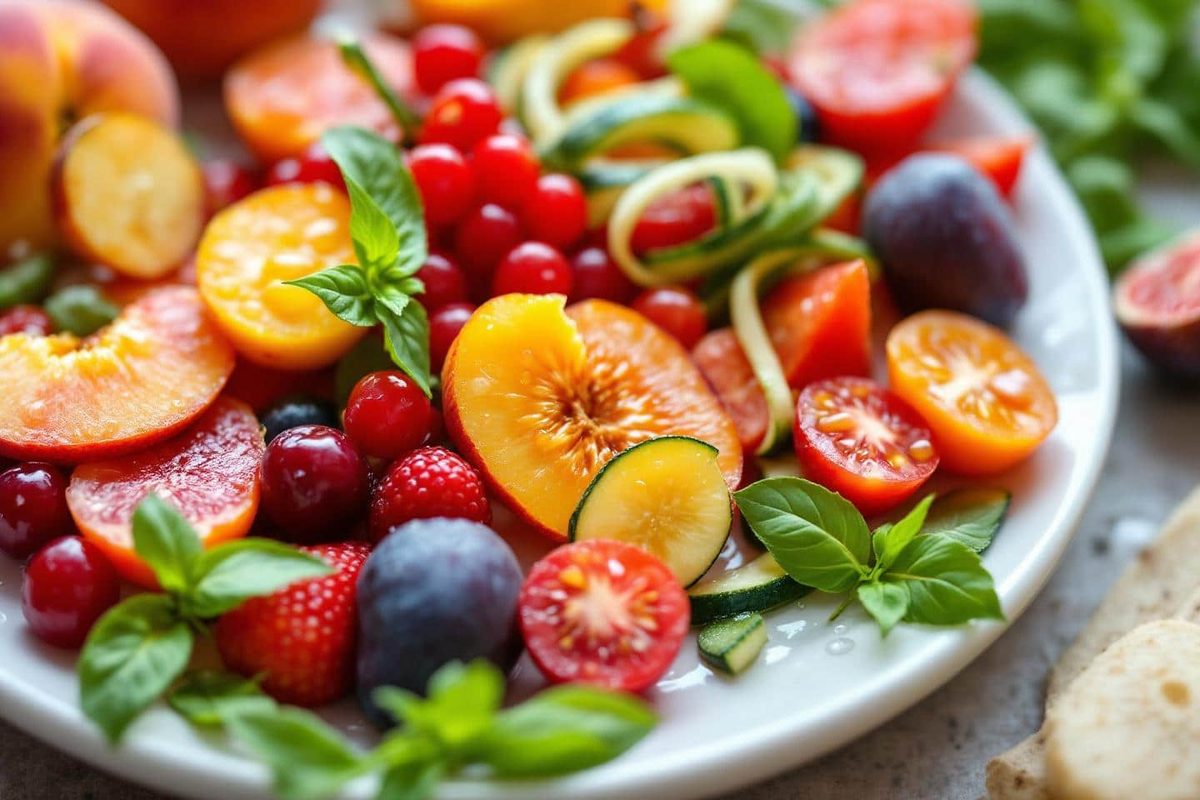
Літні ринки галасливі. Яскраві. Переважна у кращому значенні цього слова. Липень у Франції – це не просто місяць; це сенсорна навала стиглих кісточкових фруктів і хрустких зелених овочів, які буквально просять, щоб їх з’їли. Вам не потрібна куховарська книга. Вам потрібний кошик. Місцева традиція проста: їжте те, що сонце щойно приготувало.
Не про гастрономічну складність. Мова про автентичність. Про те, щоб зрозуміти: хрумка цукіні або абрикос, що тане в роті, вимагають мінімального втручання шеф-кухаря, щоб стати зіркою страви. Вибираючи продукти на піку їхньої зрілості, ви купуєте не просто їжу. Ви вступаєте в ритм. Ритм спільних трапез, яскравих смаків та спонтанного приготування. Давайте подивимося, що зараз справді є на прилавках.
Чому сезонні продукти дійсно важливі
Вибух кольору та аромату в липні – це не випадковість. Це – біологія. Імпорт фруктів взимку означає збирання їх зеленими, перевезення через океани та надію на те, що вони переживуть дорогу. Липень пропонує протилежне. Це фрукти та овочі на абсолютному піку зрілості.
Переваги є конкретними.
- Оптимальна свіжість: Немає затримки між збиранням урожаю та вашою тарілкою.
Аутентичний смак: Речовини, що формують смак, повністю розвиваються під літнім сонцем. - Збережені поживні речовини: Вітаміни та мінерали не руйнуються під час тривалого транспортування або зберігання в холоді.
Кожен укус несе у собі суть сезону. Ранкова роса. Терпіння природного дозрівання. Саме тому місцеві виробники часто демонструють забуті ґатунки. Вони наново відкривають те, що земля справді хоче виростити. Це перехід від стандартизації до різноманітності. І ваш смак помітить різницю.
Головні герої липня: фрукти та овочі, на які варто звернути увагу
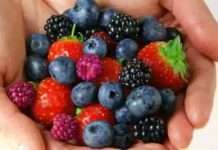
Розділ з фруктами – це строкатий достаток червоних, помаранчевих та жовтих відтінків. Йдеться про абрикоси, які фарбують ваші пальці. Білі персики з пухнастою шкіркою. Нектаринах, які майже надто солодкі. Малині, чорниці, динях, що пахнуть парфумом, та терплячій червоній смородині. Хтось воліє хрускіт сливи міроблан. Інші хочуть джемової насолоди шовковиці. Не має значення. Всі вони привносять до вашої кухні ту саму липневу енергію.
Цей достаток надихає на легку кулінарію. Пироги. Швидкі компоти. Домашні сорбети. Кулі, полити на свіжий сир. Це просто. Це задовільно.
А тепер овочі. Спека розкриває найкращі якості томатів, цукіні, баклажанів та перцю. Ви знайдете їх у всіх мислимих відтінках. Огірки хрусткі. Стручкова квасоля ніжна. Не ігноруйте молоду моркву, фенхель із його анісовим присмаком чи нові буряки. Ці інгредієнти можуть перетворити простий гарнір на маленький витвір мистецтва.
У гриль-баклажана є шовковистість, якої ніколи не досягти консервованих аналогів. Свіжий базилік додає яскравий акцент, який не може відтворити сухе листя. Мета тут – різноманітність. Текстура. Кольори. Страва, що виглядає так само добре, як і на смак.
Трансформація вашого меню за допомогою літніх інгредієнтів
Ранок починається інакше, коли ви приймаєте сезон. Забудьте про пластівці. З’їжте вітамінний салат. Прикрасьте йогурт абрикосової кулі. Підсмажте товстий хліб та викладіть на нього тонкі скибочки нектарину. Це солодко, але не нудно. Це корисно, але не обмежує. Це задає тон комунікабельності на весь решту дня.
Обід та вечеря стають можливістю для легкості. Подумайте про композиційні салати. Холодний суп з огірка і м’яти. Тартар з томатів старих сортів. Тонко нарізаний цукіні з лимоном (в стилі карпаччо). Ці страви покладаються на контраст. Хрумке проти м’якого. Трав’янисте проти жирного. Крапля фруктової оливкової олії пов’язує все воєдино.
Коли сонце сідає, можна не поспішати. Липень – час для повільного приготування. Тіан з шарів овочів, що тануть. Сковорода зі стручковою квасолею та травами. Гратен зі свіжим чебрецем і розмарином. Фаршировані овочі у прованському стилі. Це не просто їжа. Це події. Це про те, щоби збиратися за столом. Про розмови. Про їжу, яка смакує як сам сезон.
Різноманітність нескінченна. Натхнення спонтанне. Але ви маєте бути готові зайти на ринок і подивитися. Справді подивитись. На неідеальні томати. Підбиті персики. Саме там живе справжній смак.
А готування? Це лише фінальний штрих.
Спека липня не просто залишається на вулиці. Вона живе у вашій фруктовій мисці. Вибір продуктів під час їх піку змінює все. Ви отримуєте інтенсивність смаку, яку неможливо відтворити взимку. Смаки стають яскравішими. Текстури – краще. І, щиро кажучи, зусилля зводяться до нуля, коли інгредієнти беруть усю роботу на себе.
Ось два способи використати липневе сонце на своїй тарілці.
Торт із запеченими абрикосами та мигдалем
Почніть із коржа. Ідеально підходить домашнє пісочне тісто (pâte brisée), але якщо часу мало, підійде і покупне. Розкачайте його у формі для торта. Проколіть дно виделкою, щоб воно не піднялося у духовці.
Розігрійте духовку до 180 ° C (350 ° F).
Начинка це місце, де відбувається магія. Збийте два яйця з 80 г мигдального борошна. Додати 60 г коричневого цукру. Влийте 20 cl жирних вершків та 30 г розтопленого вершкового масла. Суміш має нагадувати густий золотистий заварний крем.
Вилийте цю суміш на запечену або сиру основу (залежно від ваших уподобань, хоча для цього швидкого літнього варіанту зазвичай використовують сире тісто).
Тепер про абрикоси. Вам знадобиться 600 г стиглих фруктів. Розріжте їх навпіл. Видаліть кісточки. Розкладіть їх м’якоттю на коржі. Вони мають виглядати акуратно та продумано. Посипте зверху нарізаним мигдалем для кришталю.
Випікайте 30-35 хвилин|мінути|. Вам потрібні золотисті краї та застиглий центр.
Подавайте тепле. Кулька ванільного морозива – це не просто topping; це температурний контраст, що змушує торт «співати».
Салат з томатів сортів-спадкоємців, нектарину та базиліка
Це не салат, який ви готуєте на обід і забуваєте про нього. Це закуска. Або аперитив. Він потребує негайної уваги.
Візьміть великі стиглі томати сортів-спадкоємців. Жовті або білі нектарини тут підходять найкраще завдяки своїй квітковій солодощі. Велика жменя свіжого базиліку. І гарна оливкова олія. Не заощаджуйте на олії.
Наріжте томати та нектарини великими товстими шматками. Викладіть їх на велику тарілку. Чергуйте червоні та жовті шматочки. Це повинно бути схоже на картиною.
Наріжте базилік соломкою (шифонад). Висипте його поверх усього. Не соромтеся.
Полийте оливковою олією із фруктовим ароматом. Посипте квітковою сіллю та свіжомеленим перцем. Їжте одразу. Нектарини стануть м’якшими. Томати пустять сік. Вам потрібні хрусткі інгредієнти.
Подавайте з кремовою бурратою або теплим фокаччо. Це просто. Це ефективно.
Чому важлива локальна сезонність у липні
Купівля місцевих продуктів – це не просто тренд. Це логістична перевага. У липні різноманітність приголомшує. Абрикоси. персики. Зливу. Кавуни та дині. Томати. Кабачки. Баклажани. Огірки. Зелена квасоля.
Коли ви купуєте на фермерському ринку або біля фермерської крамниці, ви оминайте ланцюжок поставок. Ви отримуєте їжу, зібрану кілька годин тому, а не кілька тижнів тому. Різниця у смаку вимірна. Це не просто ностальгія. Це – хімія.
Такий підхід змушує вас готувати на основі того, що є. Це обмежує ваші варіанти. Але також розширює ваш смак. Ви перестаєте щотижня готувати ту саму курку з рисом. Ви починаєте досліджувати особливі властивості липневого кавуна. Ви вчитеся балансувати кислотність недозрілого томату зі солодкістю стиглого нектарину.
Це створює ритм. Зв’язок із землею. Навіть якщо ви не знаєте імені фермера, ви їсте його працю. Це надає страві ваги. Перетворює вечерю з повинності на подію.
Великі збори. Пікніки. Вечеря на терасі. Ці продукти поєднують людей. Вони підходять для спільного вживання. Вони вибачають помилки. Якщо томати занадто м’які, розімніть їх. Якщо абрикоси надто солодкі, додайте лимон.
Прийняття такого мислення означає їсти літо. Це означає дозволити сезону диктувати ваше меню. Ви відкриєте нові поєднання. Ви знову відкриєте для себе класику. І ви закінчите їжу легшим, свіжим і дивним чином задоволеним чимось, що не вимагало кухонної книги.
Просто тримайте список у кишені. Нехай кольори ведуть вас. До наступного укусу.