






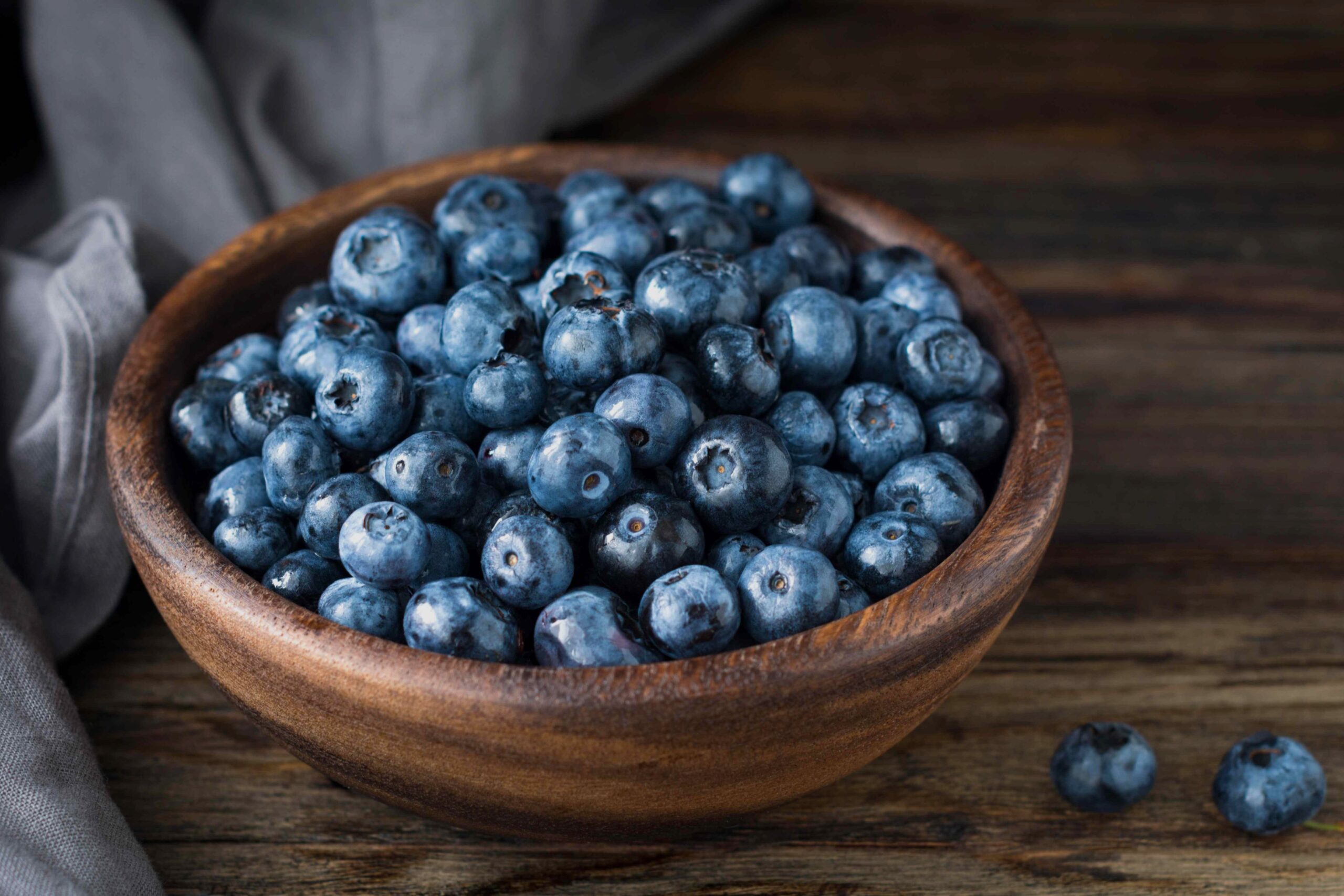
Anthocyanins are powerful antioxidants responsible for the vibrant red, purple, and blue hues in certain foods. These compounds aren’t just visually appealing—they’re linked to significant health benefits, including improved cognitive function, better heart health, metabolic regulation, and reduced inflammation. While blueberries often steal the spotlight as a prime source, several other foods pack an even greater punch.
Why Anthocyanins Matter
Antioxidants play a critical role in neutralizing harmful free radicals in the body, protecting cells from damage. This damage is linked to chronic diseases like heart disease, cancer, and neurodegenerative disorders. Getting enough anthocyanins through diet can be a simple but impactful step toward long-term health.
1. Purple Sweet Potatoes: A Rooted Source of Power
Purple sweet potatoes deliver approximately 218–244 milligrams of anthocyanins per 100 grams cooked, rivaling and sometimes exceeding blueberry content. Research suggests these vibrant tubers may help prevent inflammation, regulate blood sugar, and even offer protection against liver disease and tumor formation.
Cooking Method Matters: Boiling, steaming, or microwaving preserves anthocyanin levels effectively. However, baking, frying, or air-frying can reduce their potency by up to 45%.
2. Blackberries: A Fiber-Rich Alternative
Blackberries offer a familiar flavor profile similar to blueberries, with anthocyanin levels ranging from 70–240 milligrams per 100 grams. Beyond their antioxidant benefits, blackberries provide over twice the fiber of blueberries (7.6 grams per cup vs. 3.5 grams), supporting digestive health and a stable gut microbiome.
Enjoying Blackberries: Fresh blackberries are best in season, while frozen berries make a great addition to smoothies, yogurt, or oatmeal year-round.
3. Cherries: Sweet Support for Recovery
Sweet cherries contain 82–297 milligrams of anthocyanins per 100 grams, contributing to reduced oxidative stress, quicker post-exercise recovery, and potential blood pressure regulation. Surprisingly, cherry anthocyanin content can increase after picking, making them a long-lasting healthy snack.
Versatile Use: Cherries are delicious on their own, but also enhance trail mixes, granola, or even savory cherry salsa.
4. Black Rice: An Unexpected Antioxidant Boost
Black rice contains approximately 456 milligrams of anthocyanins per 100 grams, surpassing many other sources. This ancient grain may also contribute to cardiovascular health and help manage diabetes.
Cooking and Pairing: Black rice can be served as a standalone side dish or incorporated into grain bowls alongside vegetables like carrots, edamame, and avocado for an even greater antioxidant intake.
Maximizing Anthocyanin Intake
Most diets lack sufficient anthocyanins, making the inclusion of naturally colored foods almost universally beneficial. Due to their low bioavailability and sensitivity to environmental factors, it’s hard to overdo it through food alone. Prioritizing these vibrant options is a simple way to boost your antioxidant intake and support overall well-being.


