








У минулому шавлія мускатна викликала величезний ажіотаж. Люди в давнину називали його засобом від усіх хвороб. Вони вірили, що може продовжити життя. Можливо, навіть дарувати безсмертя. Назва походить від латинського clarus. Це означає «ясний». Ідея полягала в тому, що чай з мускатного шавлії прояснював зір. Він прояснював розум. Він навіть загострював інтуїцію. Дехто вважав, що він допомагає людям бачити майбутнє.
Сьогодні рослина стала менш містичною. Але все ще корисним. Вдихання олії перед сном може змінити сни. Ви можете прокинутися у стані ейфорії. Це поширене анекдотичне повідомлення серед користувачів аромотерапії.
Де росте і як використовується шавлія мускатна
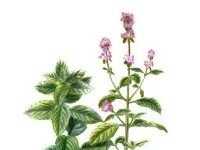
Рослина є багаторічником висотою в три фути. Олію отримують з квітучих верхівок та листя. Більшість шавлії мускатної, що вирощується в США, йде на ароматизацію. Зазвичай не використовується для ароматерапії. Його купує компанія RJ Reynolds. Компанія використовує його для ароматизації сигарет.
У Європі трава інша роль. Вона ароматизує вино Мускатель. Вона входить до складу італійського вермуту. Часто поєднується із квітками бузини. Він також був ключовим інгредієнтом європейських лікерів. Ці напої були популярними протягом століть.
Що міститься в олії шавлії мускатної?
Олія має специфічний хімічний профіль. Воно містить ліналілацетат. Також ліналоол. Присутня пінен. Є також мирцен. Фелландрен завершує суміш.
Аромат складний. Він пахне, як амбра. Він горіховий. Виноподібний. Гіркувато-солодкий. Густий. Тягучий. Цей сильний аромат є причиною його використання у парфумерії та харчових продуктах.
Потенційна користь для здоров’я
Деякі люди використовують мускатну шавлію за медичними показаннями. Олія має антидепресивні властивості. Воно протизапальне. Воно діє як в’яжучий засіб. Воно має седативний ефект. Воно може діяти як дезодорант. Воно може зменшити газоутворення та нетравлення шлунка.
Воно може спричинити менструацію. Воно розслаблює м’язи. Воно розслаблює нерви. Воно може знижувати артеріальний тиск. Ці ефекти ґрунтуються на традиційному використанні та деяких обмежених дослідженнях. Вони не є гарантованими ліками.
Як шавлія мускатна допомагає при м’язовій напрузі
Ви можете додати масло в масажне масло. Використовуйте його як компресу. Воно знімає м’язову напругу. Воно допомагає при нервовому напрузі. Воно зменшує біль. Розслаблююча дія може допомогти при м’язових спазмах. Воно може допомогти під час нападів астми. Воно може знижувати артеріальний тиск.
Жінки часто використовують його за гормональних проблем. Воно допомагає при менструальних спазмах. Воно полегшує симптоми ПМС. Це популярний засіб від припливів під час менопаузи. Дехто вважає, що він діє як м’який гормональний стимулятор.
Застосування у догляді за шкірою
Ви можете додати шавлія мускатна в креми. Він може покращити колір обличчя. Він корисний при акні. Він допомагає для тонкої шкіри. Він допомагає для зморшкуватої шкіри. Він допомагає для запаленої шкіри. У Європі люди п’ють чай із листя. Він заспокоює біль у горлі. Це традиційний засіб. Воно не замінює медичної допомоги при серйозних інфекціях горла.
Важливі попередження щодо безпеки
Шавлія мускатна не нешкідлива. Великі дози можуть спричинити побічні ефекти. Ви можете відчути себе веселим. У вас може захворіти голова. Він може підвищити артеріальний тиск. Це протилежно до ефекту при низьких дозах.
Не використовуйте його із алкоголем. Він може посилити ефекти. Не використовуйте його, якщо ви вагітні. Він може стимулювати менструацію. Це може зашкодити плоду. Не використовуйте її, якщо у вас кісти молочної залози. Не використовуйте його, якщо у вас є фіброми матки. Не використовуйте його, якщо у вас є інші захворювання, пов’язані з естрогеном. Олія взаємодіє з гормонами. Це робить його ризикованим для деяких людей.
Уточнення доказів
Більшість тверджень про шавлію мускатну засновані на традиціях. Деякі мають підтримку ранніх досліджень. Жоден із них не є доведеними ліками. Завжди консультуйтеся з лікарем. Особливо, якщо у вас є захворювання. Або якщо ви приймаєте ліки.
Ця інформація призначена для навчання. Вона не є медичною рекомендацією. Ні редактор, ні видавець не несуть відповідальності за те, як ви використовуєте цю рослину. Проконсультуйтеся з лікарем, перш ніж пробувати будь-які рослинні засоби. Самолікування може бути небезпечним.
Про це писала Кеті Кевілл. Вона є директором Американської трав’яної асоціації. Вона написала кілька книг з ароматерапії. Вона викладає цей предмет уже понад 25 років. Її робота користується повагою у цій галузі. Але повага не дорівнює медичним доказам.
Якщо ви хочете дізнатися більше, пошукайте профілі ефірних олій. Вони пояснюють, як працюють олії. Вони докладно описують приготування. Вони охоплюють поширені захворювання. Ароматерапія лікує деякі проблеми. Від астми до депресії. Від проблем зі шкірою. Але вона є додатковою. А чи не заміною стандартного лікування.
Рослинні засоби мають схожі корені. Вони поділяють історію з ароматерапією. Профілі трав доступні в Інтернеті. Вони пропонують інструкції. Але інструкції є рецептами.
Існують домашні засоби. Більше сотні їх зібрано у різних керівництвах. Вони перевірені часом. Здебільшого безпечні. Але «безпека» відносна. Контекст має значення. Дозування має значення. Індивідуальна біологія має значення.
Шавлія мускатна — лише одна трава. Має довгу історію. Має сильний аромат. Він має потенційну користь. Він має ризики. Використовуйте його розумно. Або не використовуйте зовсім. Вибір за вами Просто знайте факти. А чи не міфи.